Europe is a customer
Europe buys its security, its gas, its computing and its AI from others. A customer can complain, but it cannot refuse. To count again, it has to make things.
Europe likes to call itself a power. It has 450 million people, one of the three largest economies on Earth and more rules than anybody. What it lacks is the ability to say no. A power can refuse. A customer can only complain about the price.
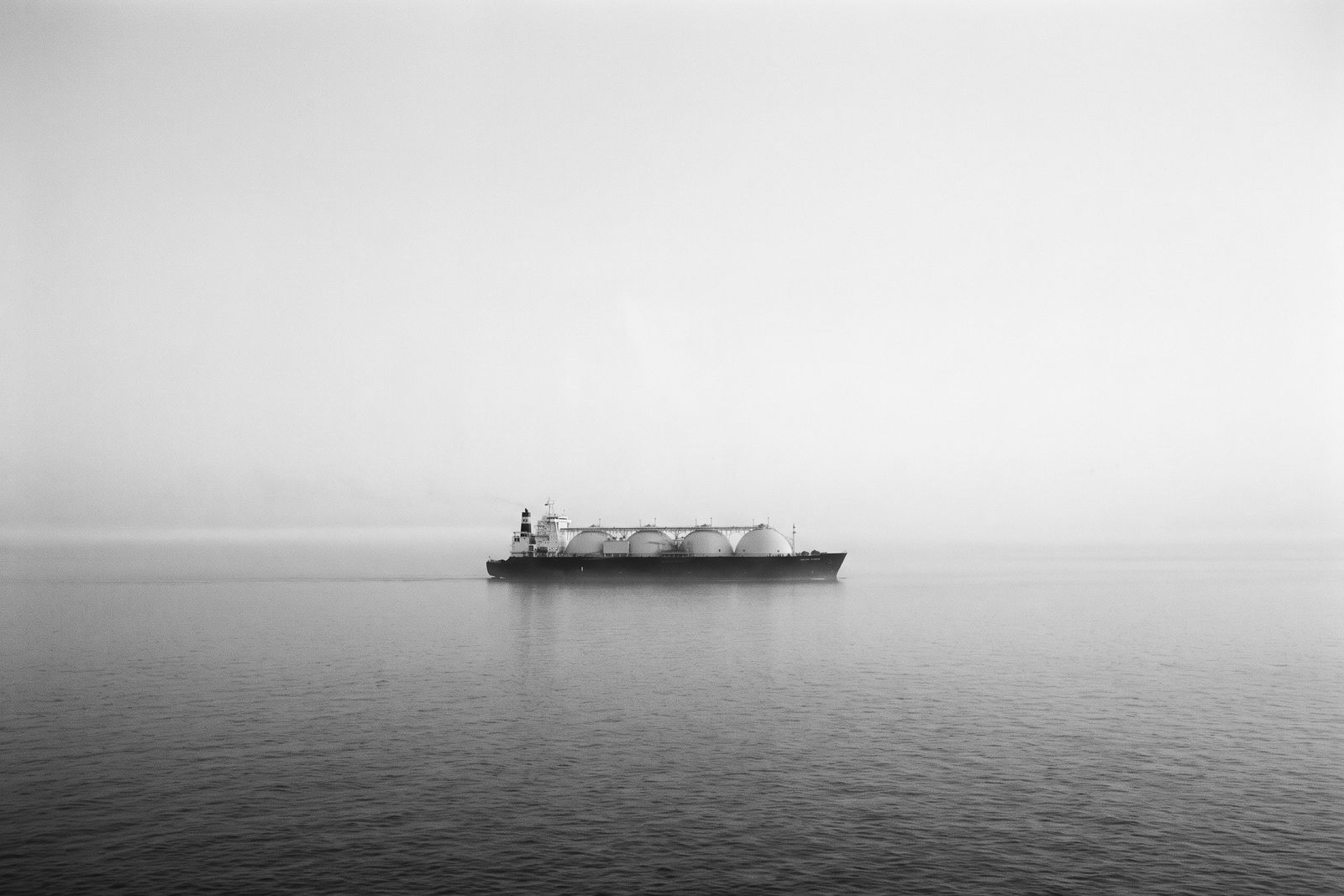
Look at what Europe buys. Its security comes from the United States: between 2020 and 2024, 64% of the arms imported by the European members of NATO were American, by the count of the Stockholm institute SIPRI. Since it gave up Russian pipeline gas it has turned to tankers, and 57% of the liquefied gas they brought in 2025 was American as well. About 70% of its cloud computing runs on the servers of three American companies. The models that are about to sit in every office are built in California and, more and more, in China.
The summer of 2025
Two meetings in the summer of 2025 showed what this is worth. In June, in The Hague, the European members of NATO promised to raise spending on defence and related infrastructure to 5% of GDP by 2035, because Washington had asked. In July, at a golf resort in Scotland, the European Commission accepted a 15% tariff on most of its exports to America and promised to buy $750bn of American energy. It was presented as a deal. A deal is what you get when both sides can walk away.
I do not blame the Americans. They are doing what any supplier does with a customer who has nowhere else to go. I blame the customer.
How a continent became a customer
It happened through comfort. After 1990 Europe decided that history was settled and that it could concentrate on regulation, tourism and very good cars. Defence was America’s job. Cheap energy was Russia’s, manufacturing was China’s and software was California’s. Each choice made sense on its own spreadsheet. Together they produced a continent that writes the rules for technologies it does not build.
Mario Draghi put numbers on it in 2024. Only four of the world’s fifty largest technology companies are European. No company founded in the European Union in the past fifty years has grown from nothing to a value above €100bn, while America created all six of its trillion-dollar companies in that time. To catch up, he wrote, Europe would have to invest an extra €750bn to €800bn every year. The report was applauded and filed.
What a power makes
I design things for a living, so my test of power is crude. Can you make it yourself, or do you have to ask? A power makes its own energy, chips, weapons and models, or enough of each that asking is a choice. By that test Europe has the parts of a power lying around. It has ASML, without whose machines nobody on Earth makes an advanced chip. It has Airbus. It has nuclear engineers, toolmakers and more good universities than it knows what to do with.
What it lacks is the decision to assemble them. Its armies run more than a dozen kinds of battle tank where America’s runs one. A young company that wants to sell across the continent meets twenty-seven sets of company law. Around €300bn of European savings leaves every year, most of it for America, because nobody at home offers it anything to build.
I write this from Switzerland, which is not in the Union and has its own habit of living off other people’s decisions. I am not asking for a European superstate. I would settle for a continent that can build a reactor, a chip and a rocket without filing a request abroad.
None of this is beyond Europe. It built Airbus when everybody said Boeing had won. ASML started in 1984 in a leaking shed beside a Philips factory. Both began with a decision, taken by people who were tired of asking. A well-behaved customer gets a discount now and then. I would like Europe to want more than that, and to decide soon, while the choice is still its own.
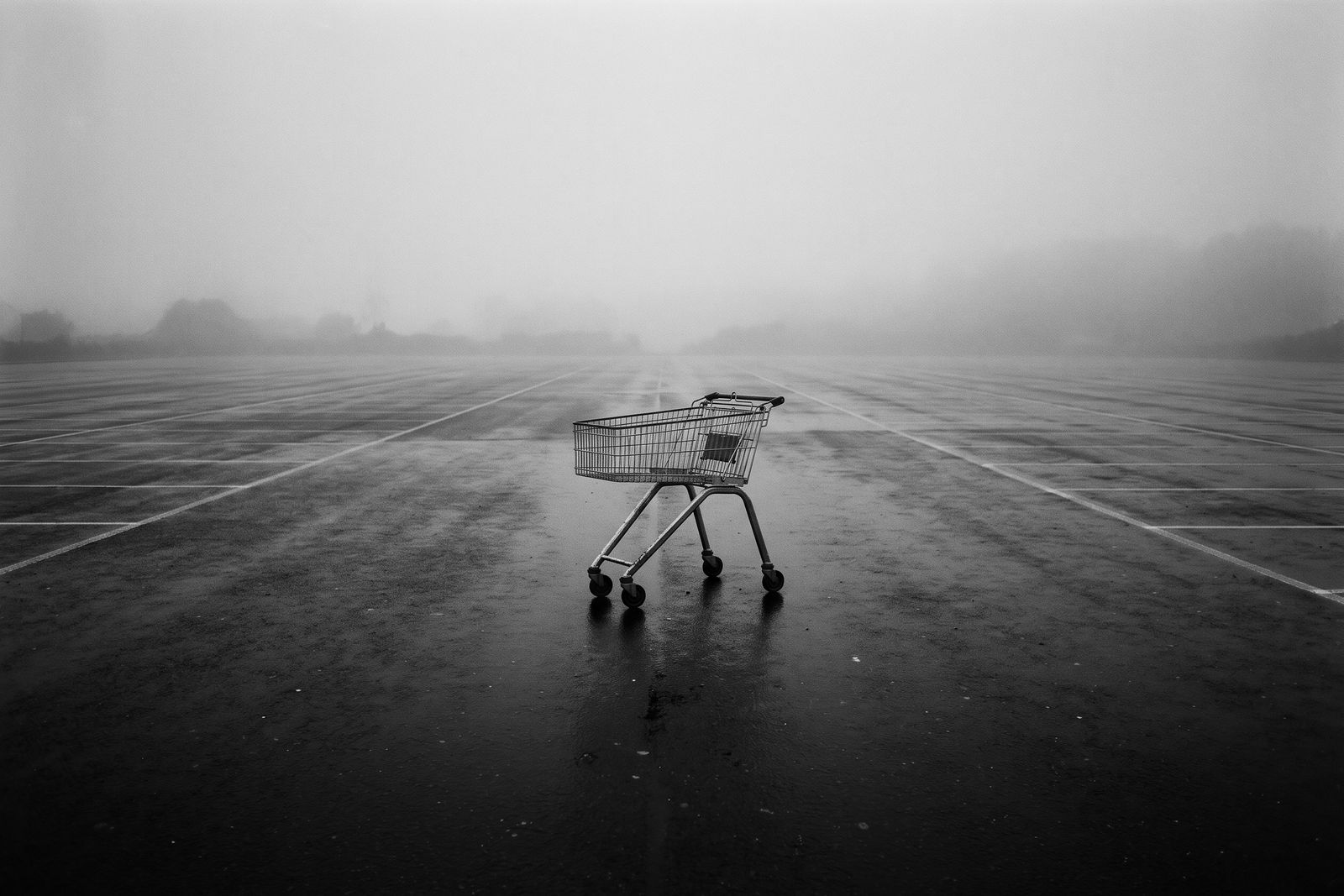
The pictures in this essay were made with AI.