The hand knows more than the model
Robots are short of data, and the scarcest data is the unwritten skill of working people. Craft is the raw material of robotics.
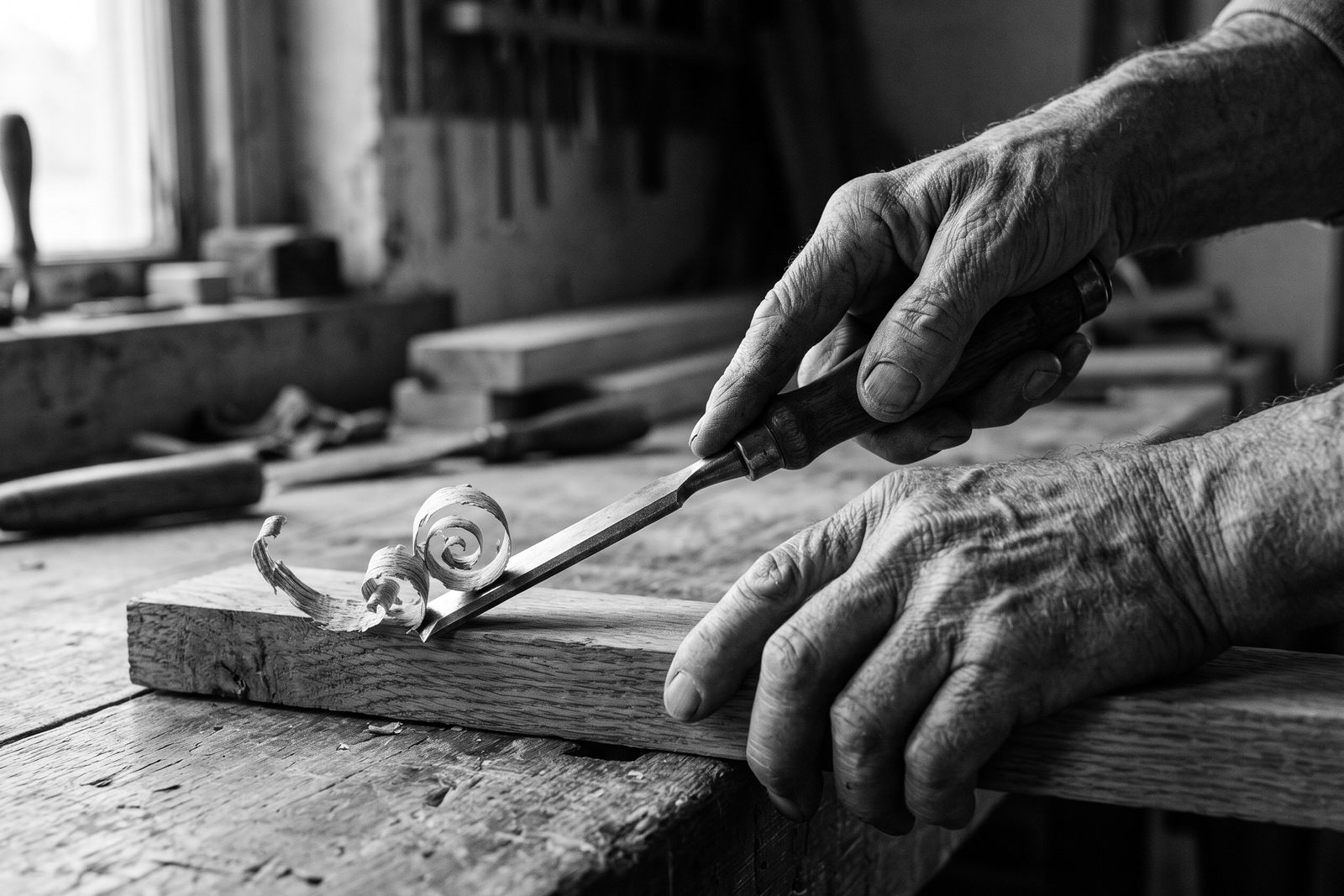
Tesla has paid people to walk. The job, advertised in Palo Alto in August 2024, was called Data Collection Operator. The work was to put on a motion-capture suit and a virtual-reality headset and walk for more than seven hours a day, carrying up to 30 pounds of equipment. The pay ran from $25.25 to $48 an hour. Applicants had to be roughly the height of the robot they were walking for.
That advertisement is the most honest thing the robot industry has published. Tesla builds the robot itself, and the one input it could not manufacture was a person moving. The race is told as a contest of better hardware and bigger models. The real shortage is robot training data, and the scarcest kind is tacit knowledge: the skill of ordinary working people, which nobody ever wrote down.
Tacit knowledge has no archive
Language models had it easy. People wrote everything down and then put it online. Ken Goldberg, a roboticist at Berkeley, reckons that the text used to train large language models would take one person about 100,000 years to read. The largest robot dataset reported so far, he wrote in Science Robotics in August 2025, is on the order of one year.
Money will not close the gap. The internet is a record of what people could say. Nobody wrote down how a cook holds a knife or how a watchmaker seats a wheel, because nobody could. Ask the cook and she will show you. It takes years.
Michael Polanyi, a physical chemist who turned philosopher, called this kind of knowledge tacit. In The Tacit Dimension, published in 1966, he set out from what he called the fact that "we can know more than we can tell". His example was the human face, which a person can pick out among a million without being able to say how. In 2014 the economist David Autor called the consequence Polanyi’s paradox: a machine cannot be handed the rules for a task whose rules nobody can state. He also named the way round it, which is to build machines that learn from human examples.
I know the limits of telling from the inside, because the user manual was once my trade. I worked with Electrosuisse and the VDE to have it certified along with the product, as something its safety depends on. A manual is the most serious attempt industry makes to put into words what a hand must do. It can say which button to press.
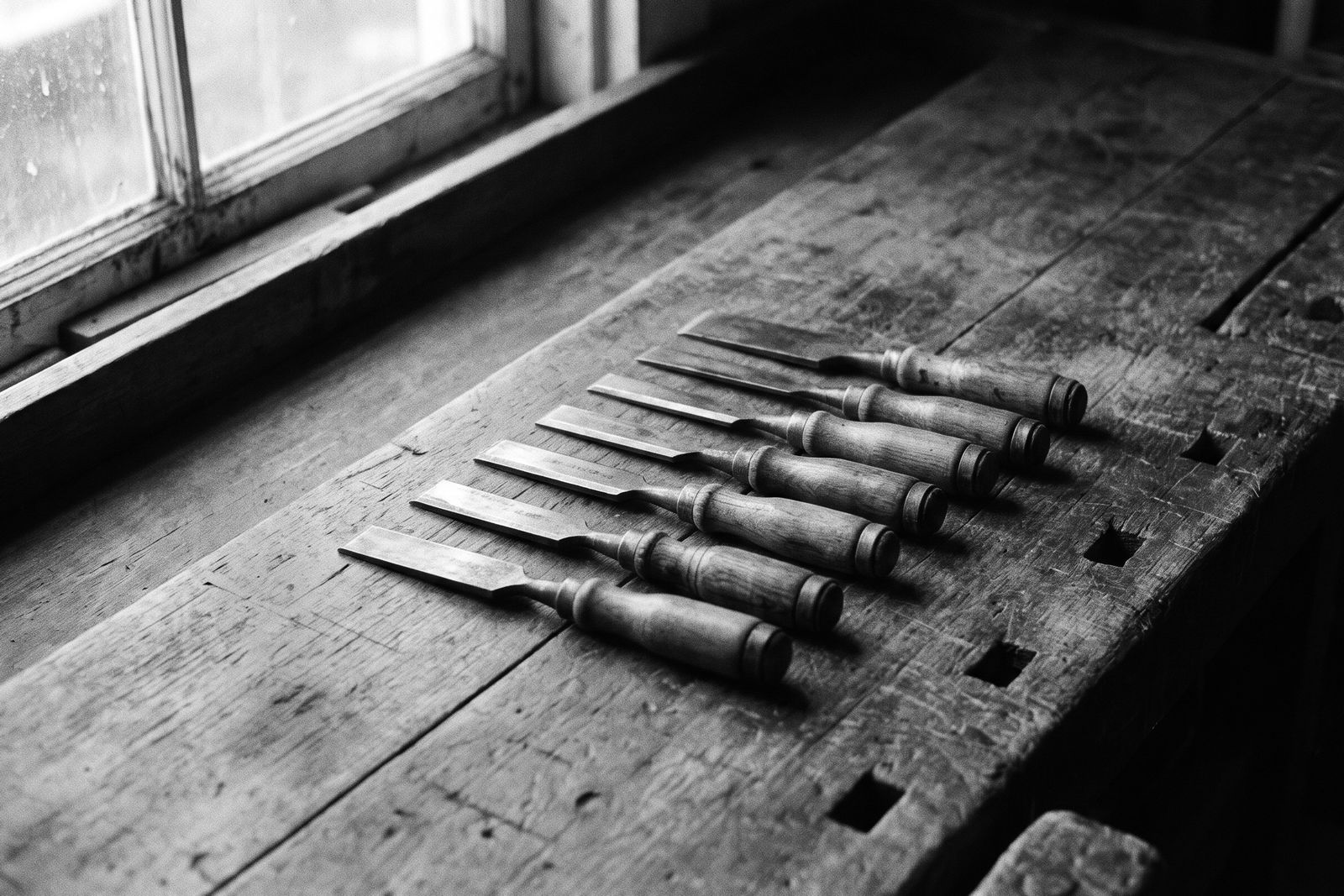
The Nespresso machines I worked on took the other route and removed the skill: a capsule and a button stand in for the barista. A robot in a kitchen or a workshop has no such exit. It has to acquire the skill, and a skill that cannot be told can only be shown.
What simulators cannot feel
The standard reply is that the showing can be had for nothing. A simulator produces practice faster than any workshop, and has taught robots to run and to do backflips. YouTube holds about 35,000 years of video, by Goldberg’s count. On this view nobody need pay a cook, since a computer can invent a million kitchens and the internet has already filmed the rest.
Neither reaches the hand. Goldberg, who is no enemy of his own field, calls simulation "notoriously unreliable" for manipulation. Recovering the motion of fingers and objects from flat video he calls a grand challenge for computer vision, one not expected to be solved in the foreseeable future.
The reason is simple. Skill lives in contact: in the pressure of the fingers and the give of an onion under a blade. A simulator has to guess those forces and a camera across the room never saw them. A video of a cook proves that the onion got chopped.
The industry’s own conduct settles the matter. Tesla did not advertise for more simulation. It handed its walkers a suit, and nobody asked them to explain how they walk. Many companies, Goldberg notes, are assembling fleets of robots and people to collect data by teleoperation: a person steers the machine through a task such as folding a towel, again and again. An industry that can buy any amount of computing power is hiring walkers and towel folders.
The past of work
The cook and the machinist are usually filed under the past of work, as the people automation is coming for. They are its training set. Every robot that does useful work with its hands will do it because a person did it first and somebody thought to record how.
That is the reason I co-founded Archaí Physics, which records how people really work so that robots can learn from it. Its first device, 360°, is worn like headphones and is in development. The record has to be made at the bench and at the stove, by the people who work there.
It also changes what counts as scarce. Chips can be ordered and models can be copied. A watchmaker with decades at the bench can be neither. Collectif Noir, the watch house I co-founded in Geneva, builds its own movement. The drawing of a movement specifies every part and says nothing about the pressure that seats a wheel. That is kept in a pair of hands, and so far nowhere else.
The pictures in this essay were made with AI.